

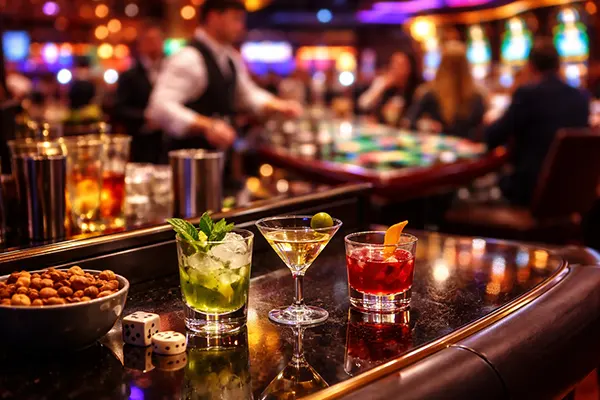
Microdosing Alcohol During Play: Can Small Portions Help Maintain Control?
In modern gaming environments, especially where alcohol is present, the question of self-control becomes increasingly relevant. Microdosing alcohol — consuming very small, measured portions instead of full drinks — has gained attention as a behavioural strategy rather than a trend. In gaming settings, including casino lounges and private bar areas, this approach is often discussed in terms of maintaining clarity, slowing consumption, and reducing impulsive decisions. Understanding how this method works in practice helps separate realistic benefits from assumptions.
What Microdosing Means in a Bar and Gaming Context
In a traditional bar setting, alcohol consumption is usually structured around full servings: a glass of wine, a pint, or a cocktail. Microdosing changes this pattern by focusing on smaller, controlled quantities — for example, half portions, diluted drinks, or low-alcohol alternatives served in shorter intervals. The goal is not abstinence, but moderation with awareness of intake.
Within gaming environments, particularly those that combine entertainment and alcohol, this approach has practical implications. Players remain engaged for longer periods without the rapid cognitive decline that often accompanies standard drinking patterns. This is especially relevant in games requiring attention, calculation, or decision-making.
Bars and casino lounges increasingly reflect this shift by offering flexible serving sizes and low-alcohol menus. The concept aligns with broader industry changes seen in the low-alcohol movement, where beverages are designed to deliver flavour and experience without significantly affecting judgement.
Why the Concept Has Become More Relevant in 2026
Recent behavioural studies and hospitality trends show a clear shift towards mindful consumption. In 2026, many venues prioritise guest well-being, partly due to regulatory pressure and partly due to changing customer expectations. Microdosing fits into this framework as a practical tool rather than a marketing idea.
Players themselves have become more aware of how alcohol affects performance. Even small impairments can influence risk assessment, reaction time, and memory — all critical factors in games involving money or strategic decisions. As a result, controlled consumption is no longer seen as restrictive but as a way to stay competitive and focused.
In addition, premium environments such as VIP areas often encourage slower, more deliberate drinking patterns. Here, the emphasis is on quality, pacing, and experience, rather than volume, which naturally aligns with microdosing behaviour.
Do Small Portions Actually Help Maintain Control?
From a physiological standpoint, consuming smaller amounts of alcohol leads to a slower increase in blood alcohol concentration. This means that cognitive functions — such as decision-making, attention, and impulse control — remain more stable over time compared to rapid consumption of larger drinks.
In gaming contexts, this difference can be significant. Players who drink gradually are less likely to make impulsive bets or deviate from their planned strategy. The pacing itself introduces a natural pause between actions, allowing for more deliberate thinking.
However, the effectiveness of microdosing depends on consistency. If small portions are consumed too frequently, the overall intake may still reach levels that impair judgement. The method works best when combined with awareness of timing, hydration, and personal tolerance.
Limitations and Misconceptions of the Approach
One common misunderstanding is that smaller drinks automatically eliminate risk. In reality, the total amount of alcohol consumed remains the key factor. Microdosing is not a protective mechanism on its own; it is a behavioural tool that requires discipline.
Another limitation lies in individual differences. Factors such as body weight, metabolism, and fatigue influence how alcohol affects a person. What works for one player may not provide the same level of control for another, which is why standard guidelines cannot be universally applied.
It is also important to recognise that the environment plays a role. Loud, fast-paced settings may encourage quicker consumption regardless of portion size. In such cases, microdosing is less effective unless supported by conscious pacing and external cues.
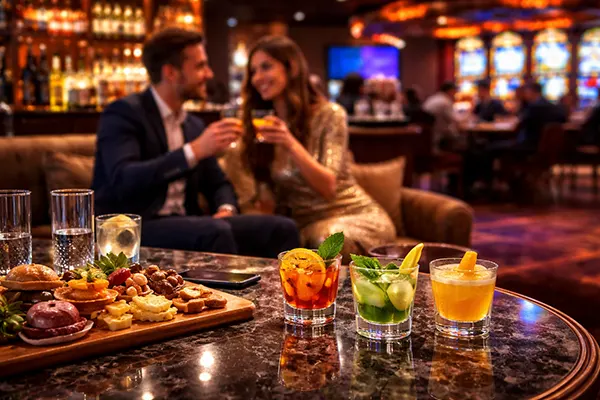
How Microdosing Is Used in VIP Zones and Modern Bars
In premium gaming areas and contemporary bars, microdosing is often integrated into service design. Instead of offering only standard drink sizes, venues provide customised portions, tasting formats, and low-alcohol cocktails that allow guests to regulate intake more precisely.
VIP zones, in particular, focus on sustained engagement rather than short, intense sessions. Staff are trained to monitor pacing and may suggest alternatives such as lighter drinks or non-alcoholic options between servings. This creates an environment where moderation feels natural rather than imposed.
Modern bar menus also reflect this shift. It is increasingly common to see detailed alcohol percentages, smaller serving options, and curated drink sequences designed to extend the experience without increasing intoxication levels.
Practical Examples of Implementation in 2026
One widely used approach is the “split serving” model, where a standard cocktail is offered in two smaller glasses served sequentially. This allows the guest to pause between portions and assess their condition before continuing.
Another method involves low-alcohol pairings, where drinks are matched with food or gaming intervals. This structure reduces continuous consumption and introduces natural breaks, supporting better self-regulation.
Finally, digital tools are becoming more common. Some venues provide discreet tracking systems through apps or loyalty programmes, helping guests monitor their intake in real time. While optional, these tools reinforce the idea that control is part of the overall experience, not a restriction.