

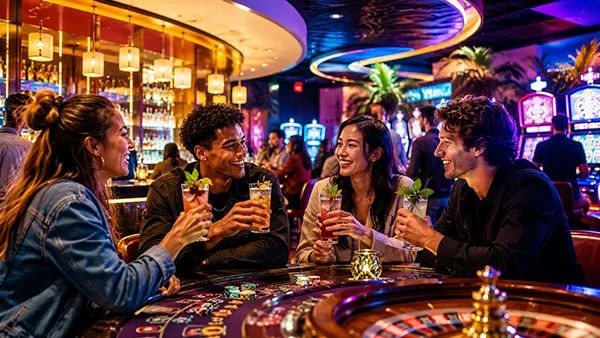
Why Generation Z More Often Chooses Sober-Curious Entertainment in Casinos and Bars
Consumer habits among Generation Z have changed significantly during the past decade. People born between the late 1990s and early 2010s are entering adulthood with different expectations regarding nightlife, leisure spending and personal wellbeing. Research published by organisations such as Gallup, IWSR and various European public health bodies has shown a steady decline in alcohol consumption among younger adults compared with previous generations. As a result, casinos, bars and entertainment venues are adapting their services to accommodate guests who want social interaction, gaming experiences and nightlife without becoming intoxicated.
The Rise of the Sober-Curious Lifestyle Among Young Adults
The sober-curious movement is not based on complete abstinence from alcohol. Instead, it encourages people to examine their drinking habits and make conscious choices about when, why and how much they drink. Many members of Generation Z view alcohol as an optional part of social life rather than a requirement for participation. This approach has gained visibility through social media discussions, wellness communities and public conversations about mental health.
Financial considerations also play a role. Young adults face rising housing costs, student debt and increased living expenses in many countries. Spending large amounts of money on alcohol is often viewed as less attractive than investing in experiences, travel, fitness activities or entertainment that can be enjoyed without the additional cost of excessive drinking.
Health awareness is another important factor. Generation Z has grown up with easy access to information about nutrition, sleep quality and long-term wellness. Many people within this age group actively track physical activity, monitor health data through wearable devices and seek lifestyles that support both physical and mental performance.
How Social Media Has Influenced Drinking Habits
Social media has transformed the way younger consumers view nightlife. Unlike previous generations, many young adults document social experiences through photos and videos shared online. Maintaining self-control and remaining fully aware during events often aligns better with the image they want to present to friends, followers and professional networks.
Content creators have also helped normalise alcohol-free lifestyles. Influencers, athletes and public figures increasingly discuss moderation, temporary alcohol breaks or long-term sobriety. These conversations have reduced the stigma that once surrounded choosing non-alcoholic drinks in social settings.
The result is a cultural shift where ordering a non-alcoholic cocktail or low-alcohol beverage no longer appears unusual. In many cities across Europe and the United Kingdom, alcohol-free menus have become standard features in venues that previously focused almost exclusively on traditional alcoholic offerings.
How Casinos and Bars Are Responding to Changing Preferences
Entertainment businesses have recognised that younger customers are looking for experiences rather than simply alcohol consumption. Casinos increasingly organise themed events, live music performances, esports competitions and interactive social activities that place less emphasis on drinking and more emphasis on engagement.
Bars are expanding their menus with premium alcohol-free alternatives. Modern non-alcoholic spirits, botanical drinks and sophisticated mocktails offer flavours comparable to traditional cocktails. According to industry reports from 2025 and 2026, demand for premium alcohol-free beverages continues to grow across Europe and North America.
Casinos are also placing greater emphasis on responsible gaming initiatives. A sober guest is often more capable of making informed decisions, managing spending and maintaining awareness of time spent gambling. This aligns with broader industry efforts to support safer gambling environments.
The Growing Popularity of Alcohol-Free Premium Drinks
The quality of alcohol-free beverages has improved dramatically in recent years. Manufacturers now use advanced production methods that preserve flavour complexity while removing or reducing alcohol content. As a result, consumers no longer feel that choosing a non-alcoholic option means sacrificing quality.
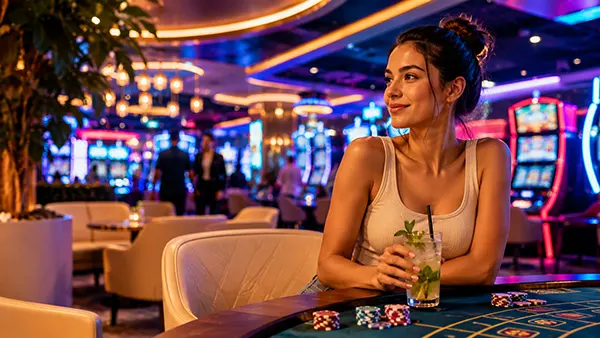
Many younger guests appreciate the ability to participate in social rituals associated with nightlife without experiencing hangovers or impaired judgement. Premium mocktails and alcohol-free spirits allow them to enjoy the atmosphere of a casino lounge or cocktail bar while remaining fully in control.
This trend has encouraged venues to treat alcohol-free products as core menu items rather than secondary alternatives. Dedicated sections featuring carefully crafted non-alcoholic drinks have become common in major entertainment destinations throughout Europe.
Why Control and Experience Matter More Than Intoxication
For many members of Generation Z, personal control is viewed as an important aspect of leisure. Rather than seeking intoxication, they often prioritise memorable experiences, meaningful conversations and activities that contribute positively to their overall wellbeing. This mindset influences decisions across entertainment, travel and nightlife.
Mental health awareness has become increasingly important within younger demographics. Many individuals report that reducing alcohol consumption helps them manage anxiety, improve sleep quality and maintain emotional stability. These perceived benefits encourage continued participation in sober-curious lifestyles.
Technology has also contributed to this shift. Mobile payment systems, budgeting applications and wellness tracking tools make users more conscious of their spending and behaviour. Greater visibility into personal habits often supports more moderate consumption choices.
The Future of Sober-Curious Entertainment in 2026 and Beyond
Industry analysts expect sober-curious entertainment to continue expanding throughout 2026 and the following years. Demand for flexible social environments that accommodate both drinkers and non-drinkers is likely to remain strong as younger consumers gain greater purchasing power.
Casinos and bars that successfully adapt to these preferences are focusing on atmosphere, hospitality and diverse entertainment options rather than relying primarily on alcohol sales. This approach allows venues to appeal to a broader audience while responding to changing consumer expectations.
Generation Z is not eliminating nightlife traditions. Instead, it is reshaping them. The growing popularity of alcohol-free choices demonstrates that social connection, entertainment and enjoyment can exist independently of intoxication, creating new opportunities for businesses and consumers alike.