

Seasonal Cocktails in Casinos: How Winter and Summer Menus Influence Guest Behaviour
Casino bars have changed significantly over the past decade. In 2026, drinks are no longer treated as a secondary service placed next to gaming floors. Beverage menus are now part of broader customer retention strategies, interior zoning, and behavioural marketing. Seasonal cocktail collections, particularly winter and summer menus, are designed not only around taste preferences but also around emotional triggers, spending patterns, session duration, and social interaction. Casinos in London, Monaco, Las Vegas, and Macau increasingly cooperate with mixologists, behavioural analysts, and hospitality consultants to adapt beverage offers to different seasons and audience expectations.
Why Seasonal Cocktail Menus Matter in Modern Casinos
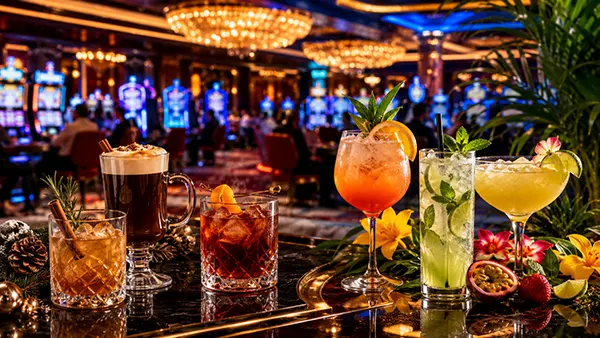
Seasonal menus help casinos create a stronger sensory connection with guests. Winter cocktails often contain warming ingredients such as cinnamon, dark rum, whisky, clove syrup, espresso, and chocolate bitters. These flavours are associated with comfort, relaxation, and longer indoor stays. Summer menus usually focus on citrus, berries, sparkling ingredients, lighter spirits, and low-alcohol compositions that support social activity and movement around the venue. This contrast directly affects how visitors interact with gaming areas, restaurants, and lounge spaces.
Large casino resorts have noticed measurable differences in customer behaviour depending on drink selection. According to hospitality data discussed during international gaming conferences in 2025, guests ordering winter cocktails tend to remain seated for longer periods and show higher average spending in VIP lounges and table game sections. Summer cocktails, particularly frozen and low-ABV options, encourage more movement between bars, terraces, music areas, and slot sections. Operators use this information when planning floor layouts and seasonal promotions.
Another important factor is emotional association. Seasonal drinks create rituals that returning guests begin to expect. A winter signature cocktail served every December can become part of a casino’s identity in the same way as annual poker tournaments or themed entertainment events. Many casinos now refresh cocktail menus every three or four months specifically to maintain novelty without changing their broader branding.
How Drink Psychology Influences Gambling Decisions
The relationship between alcohol and gambling behaviour has become a major research topic within hospitality and responsible gaming sectors. Modern casinos are increasingly careful about balancing entertainment with customer safety. In 2026, licensed venues across Europe operate under stricter responsible service regulations, meaning bars must avoid encouraging excessive alcohol consumption while still maintaining premium guest experiences.
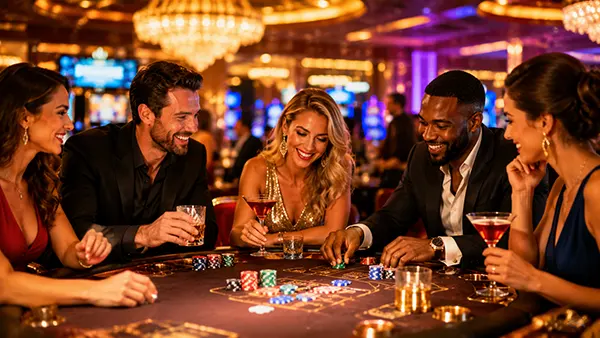
Different cocktail styles influence pace and decision-making differently. Strong winter cocktails consumed slowly often support longer gaming sessions at blackjack or roulette tables. In contrast, refreshing summer drinks are linked to group activity, conversation, and casual betting behaviour. Casino operators use these behavioural patterns when designing entertainment zones. For example, quieter gaming salons frequently pair with heavier seasonal drinks, while open-air bars favour spritzes, tropical cocktails, and botanical gin combinations.
Temperature and lighting also affect perception. Studies discussed by hospitality analysts in 2025 demonstrated that warm-coloured cocktails presented in darker environments increase feelings of exclusivity and comfort. Brighter summer drinks served in open spaces with live music create a more energetic atmosphere that encourages short-term social engagement rather than concentrated gambling sessions.
Winter Cocktail Menus and Guest Retention Strategies
Winter is traditionally one of the strongest revenue periods for integrated casino resorts, particularly during Christmas, New Year, and major sporting events. Seasonal cocktail menus are often used to support premium positioning during this period. Hotels connected to casinos introduce limited-edition drinks with luxury ingredients such as aged whisky, smoked syrups, truffle infusions, or champagne-based recipes aimed at higher-spending customers.
Warm cocktails also influence how guests use physical space. During colder months, casinos focus on enclosed lounges, private gaming salons, cigar rooms, and intimate bars. Rich drinks complement these environments and encourage longer stays. Hospitality consultants note that guests consuming winter cocktails are more likely to order food pairings, reserve private tables, and participate in late-night gaming sessions.
Another trend visible in 2026 is the rise of alcohol-free seasonal cocktails. Many casinos now include sophisticated zero-proof winter menus featuring smoked teas, botanical extracts, ginger concentrates, and spice infusions. These drinks target health-conscious travellers and guests who prefer longer entertainment sessions without alcohol-related fatigue. This shift reflects broader hospitality trends rather than temporary fashion.
Luxury Presentation and Social Media Influence
Presentation has become nearly as important as flavour. Seasonal cocktails are designed to attract attention both inside casinos and online. Winter drinks served with smoke effects, edible decorations, crystal glassware, or theatrical preparation methods frequently appear in social media content shared by visitors. Casinos benefit from this exposure because visually recognisable cocktails strengthen venue identity without relying on direct advertising.
High-end casino resorts increasingly collaborate with celebrity bartenders and premium alcohol brands to launch seasonal collections. Limited availability creates urgency and exclusivity, particularly among VIP guests and tourists seeking premium experiences. In locations such as Singapore and Monte Carlo, some seasonal drinks are available only through reservation-based lounge access.
Photography-friendly cocktails also influence younger demographics differently from traditional casino audiences. Guests between 25 and 40 often treat casino bars as lifestyle destinations rather than purely gambling environments. As a result, beverage design now supports broader entertainment strategies involving music events, rooftop experiences, live performances, and branded hospitality partnerships.
Summer Cocktail Menus and High-Energy Casino Environments
Summer cocktail programmes focus heavily on mobility, freshness, and social interaction. Casinos located near beaches, resort areas, or entertainment districts adapt menus to outdoor spaces and daytime traffic. Mojitos, spritzes, frozen margaritas, botanical coolers, and tropical fruit combinations dominate many 2026 summer menus because they suit warmer temperatures and casual social settings.
Unlike winter menus that encourage guests to settle into longer sessions, summer drinks often support fast-moving environments. Casinos hosting pool parties, esports events, concerts, and sports screenings rely on beverages that are easier to consume while standing or moving between areas. This creates a more dynamic atmosphere and increases interaction between gaming, dining, and entertainment spaces.
Another noticeable change in 2026 is the growing popularity of low-alcohol and functional cocktails. Drinks infused with electrolytes, herbal extracts, reduced sugar content, or non-alcoholic spirits have become common in premium casino resorts. Operators recognise that many guests now prioritise wellness and social balance, particularly during long summer weekends and destination holidays.
How Casinos Adapt Cocktail Menus to Different Audiences
Not all casino visitors respond to seasonal menus in the same way. International resorts increasingly personalise beverage offers according to guest demographics, travel patterns, and gaming preferences. VIP customers may receive invitation-only cocktail tastings, while younger audiences encounter interactive drink stations and digital menu experiences integrated into mobile casino applications.
Regional preferences also shape seasonal menus. European casinos often prioritise wine-based summer cocktails and botanical ingredients, while North American venues favour frozen drinks and larger serving formats. Asian integrated resorts frequently include tea-infused cocktails and locally inspired ingredients adapted to seasonal tourism patterns.
Technology now plays an important role in menu development. Many casino groups analyse purchasing behaviour through loyalty systems to identify which seasonal drinks lead to longer stays, increased restaurant visits, or repeat bookings. This data-driven approach allows operators to adjust menus quickly while maintaining compliance with responsible alcohol service policies introduced across several gaming jurisdictions by 2026.