

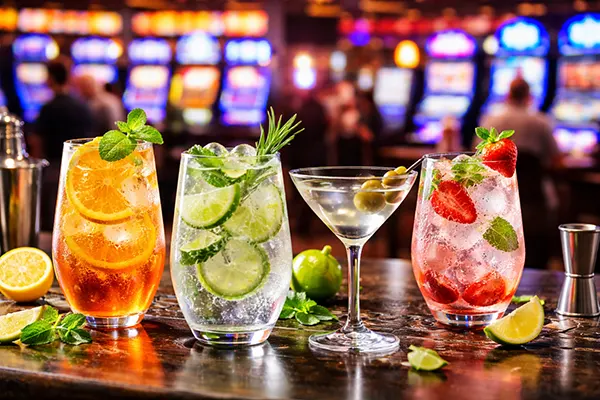
Zero & Low Alcohol in Casinos: How Sober Cocktails Shift Risk
By 2026, zero-proof and low-alcohol cocktails have become a normal part of casino bar menus rather than a niche alternative. Their presence reflects broader changes in drinking culture, where guests increasingly prioritise control, clarity, and social balance. In gambling environments, this shift matters because alcohol has long been linked to impaired judgement and impulsive decision-making.
Why casino bars are taking zero and low alcohol seriously
Casino bars are responding to clear changes in guest behaviour. Many visitors still want the social ritual of ordering a drink, holding a glass, and pausing between games, but without the cognitive effects associated with higher alcohol intake. Zero and low-ABV options meet this expectation without forcing players to disengage from the atmosphere.
From an operational perspective, these drinks support modern responsible service standards. Offering credible non-intoxicating alternatives allows staff to guide guests towards safer choices without confrontation. In 2026, this approach is increasingly seen as part of good hospitality rather than a restriction.
There is also a commercial logic. Longer, more balanced visits tend to reduce disruptive behaviour and create a calmer environment on the gaming floor. While alcohol sales remain important, many venues now see zero and low options as complementary rather than competitive.
What zero and low alcohol cocktails typically include
Low-alcohol cocktails usually rely on lighter bases such as fortified wine, aperitif-style ingredients, or reduced-strength spirits, extended with soda or tonic. These drinks maintain flavour complexity while keeping overall alcohol intake modest.
Zero-alcohol cocktails focus on structure rather than sweetness. Botanical distillates, bitter elements, citrus oils, and herbal notes are used to recreate the sensory profile of classic cocktails without ethanol. The aim is familiarity, not substitution.
In well-run casino bars, these drinks are prepared with the same attention to balance, temperature, and presentation as traditional cocktails, reinforcing the idea that choosing zero or low alcohol is a normal, adult decision.
Alcohol, decision-making, and the casino environment
Alcohol affects more than mood. Even moderate consumption can slow reaction time, reduce risk awareness, and weaken self-imposed limits. In gambling settings, where fast decisions and emotional swings are common, these effects can accumulate quickly.
Zero and low-alcohol drinks do not remove gambling risk, but they can reduce one important amplifier. Guests who remain mentally clear are more likely to notice changes in their behaviour, such as increasing stakes or chasing losses.
The overall atmosphere can also change. With fewer intoxicated players, social interactions tend to be calmer, and group dynamics are less likely to push individuals into unplanned spending or extended play.
Situations where zero or low alcohol makes sense
Late sessions are one example. Fatigue already affects judgement, and adding alcohol can accelerate poor decisions. Switching to zero or low alcohol helps maintain awareness during extended visits.
Emotional moments also matter. After a significant win or loss, excitement or frustration can distort judgement. Choosing a non-intoxicating drink during these moments can create a natural pause.
Social pressure is another factor. When zero and low options are visible and accepted, guests can change their drinking behaviour without feeling isolated from the group.
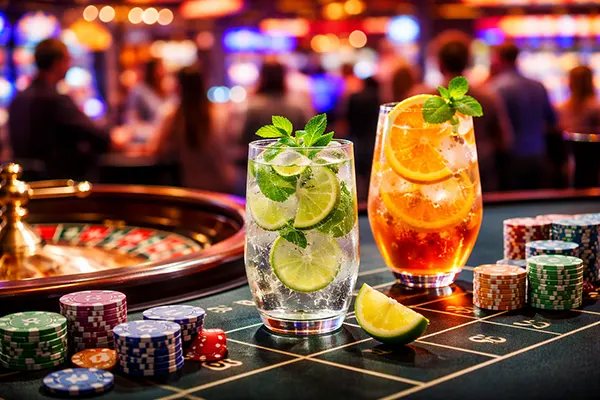
Practical choices for ordering at casino bars
Effective ordering starts with intention. Guests who want taste and ritual rather than intoxication can communicate this clearly by requesting zero-alcohol or low-ABV options. In 2026, most professional bars understand these terms.
Pacing remains important. Alternating cocktails with water, avoiding rapid refills, and paying attention to emotional state are simple strategies that support better control during play.
Clear communication with staff helps. Asking about alcohol strength, sweetness, or bitterness allows bartenders to recommend suitable options that match both flavour preference and desired effect.
Small habits that support control without reducing enjoyment
Long drinks served over ice naturally slow consumption and encourage steady pacing. This reduces the cycle of quick drinking followed by impulsive betting.
Guests should also be aware that some low-alcohol drinks still contain alcohol. Those who want to avoid it entirely should specify zero alcohol rather than assuming based on taste.
Ultimately, zero and low-alcohol cocktails are tools, not statements. Used thoughtfully, they allow guests to enjoy the casino environment while maintaining clearer judgement and personal limits.